
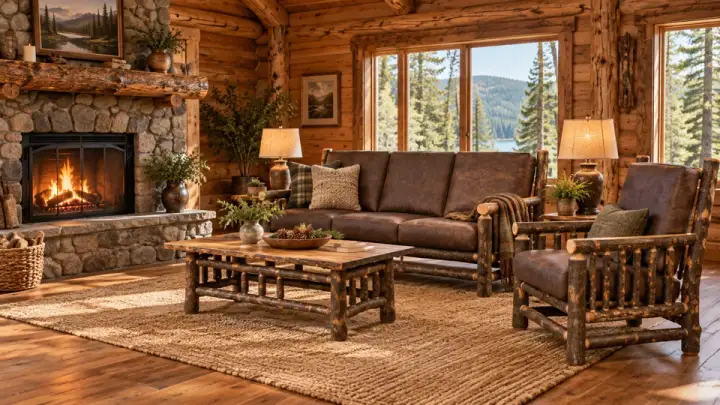
Start with the finish instructions
Dust gently with a clean, soft cloth and use only cleaning methods approved for the finish. Remove spills promptly without scrubbing an unfamiliar surface. Do not assume that oils, waxes, disinfectants or household sprays are suitable simply because their labels mention wood.
If you do not know the finish system, ask before applying a treatment. A Natural finish is not necessarily bare wood. Furniture polish is also not a repair for a damaged protective coating. Test any approved product as directed and avoid mixing treatments based on unrelated advice.
Keep the surroundings reasonably consistent
Wood exchanges moisture with the surrounding air, and changing conditions can affect its dimensions. Keep furniture away from direct heat sources and avoid unnecessarily damp or very dry locations. A stable indoor environment supports the furniture as well as comfort in the room.
Use protection appropriate to the surface under hot dishes, wet glasses and abrasive objects. Direct sunlight can change appearance over time, so consider how windows and coverings affect the piece. These habits matter even when the wood feels substantial and the construction is strong.
Move and maintain thoughtfully
Lift furniture with enough help rather than dragging it by a top, arm or decorative component. Follow the supplied assembly, hardware and anchoring directions. Check moving mechanisms and fasteners only as instructed; overtightening or improvised repairs can create another problem.
Keep your order details and care information together. If a joint, finish or moving part raises a concern, send photographs and a clear description before attempting a repair. Long service comes from a useful design, sound construction and care that respects the actual materials—not from a promise that furniture never needs attention.
Set a realistic ownership expectation
Good construction and appropriate care can support long use, but no material name or Amish workshop label guarantees a lifetime. The specific product’s written warranty, its intended environment and the possibility of repair matter more than a general longevity slogan. Ask about the actual component and finish before buying.
For a rental property, confirm commercial-use suitability and coverage in writing. Residential warranty terms should not be assumed to cover guest accommodation. Keep product details, care instructions and order selections together so a later repair or matching purchase starts with the correct information.