
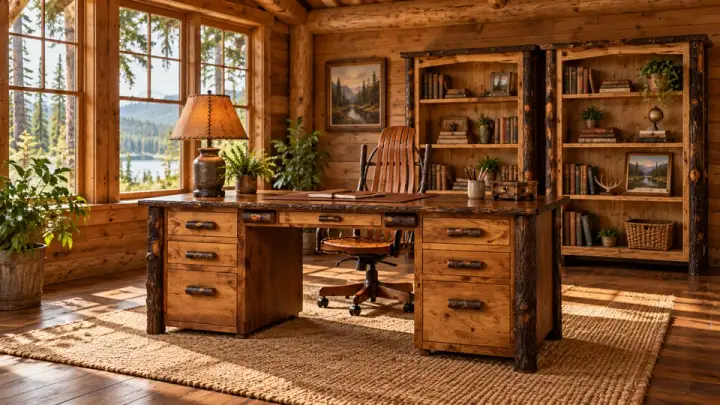
Keep the full material name
A Rough-sawn Maple & Hickory listing describes both a material combination and a surface character. Do not shorten it to Hickory if Maple is important to the design, or assume an all-Maple construction when Hickory details are identified. Use the product’s actual public description when comparing another piece.
Maple itself is a broad species description rather than a promise of uniform hardness, color or grain. If a particular species or component matters and is not documented, ask before ordering. Do not supply a specification from a different model merely because both use the word Maple.
Separate surface preference from the finish
Decide how you will use the main surface. For a desk, think about writing and supporting equipment. For dining, think about everyday cleaning and the items placed on the top. If intentional saw texture is part of the listing, use the rough-sawn guide to identify questions about the working surface and edges.
Review the finishes offered for that selected design and construction. A finish shown on Hickory does not show how Maple will appear, and the same stain name across makers does not establish an exact match. Compare actual available photographs or samples where possible.
Compare the complete furniture
Check the size and configuration you would actually order, including drawers, chair clearance or any offered table leaves. The Maple preference should support that layout instead of substituting for it. A material option on one piece does not make it available on every design.
Save the exact product, material and finish in your room plan when choosing later additions. Natural variation remains part of wood furniture, so plan compatible pieces rather than identical surfaces. Follow the stated care guidance and judge the purchase by its documented construction, appearance and practical fit.